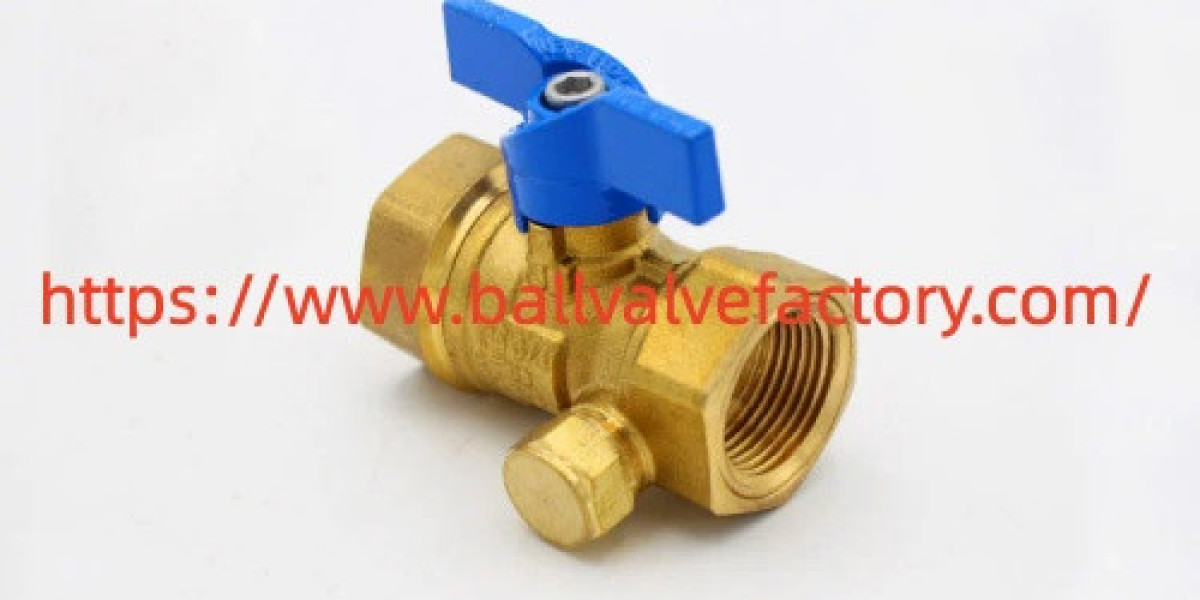

Gas Ball Valve with Test Port selection requires more than checking the nominal size and purchase price. Buyers should review the intended gas medium, working pressure, temperature range, connection dimensions, body material, sealing materials, test access, and applicable requirements before placing an order. A test connection can provide a practical point for pressure measurement or system checking, but the complete assembly still needs to match the actual piping application. NFPA 54 includes requirements concerning manual gas shutoff valves and references standards for different gas valve applications, showing why specification review matters during procurement.
The first point to consider is the application itself. Natural gas, propane, and other fuel gases can involve different operating conditions and equipment requirements. Buyers should provide the manufacturer with information about the gas medium, expected pressure, temperature, pipe size, and installation environment. This information gives the supplier a clearer basis for recommending a suitable configuration.
Connection dimensions deserve careful attention. A valve may be available in several nominal sizes and connection formats, so buyers should verify the pipe thread, connection standard, inlet and outlet dimensions, and installation orientation. Matching these details before shipment can help installers avoid unnecessary changes during assembly. Technical drawings are particularly useful when several models appear similar but have different connection dimensions.
The test port is another feature that deserves a closer look. Depending on the system design and applicable local requirements, a designated testing point can provide access for pressure measurement without changing the main connection arrangement. The actual test procedure should always follow the relevant code, equipment instructions, and qualified installation practices. Buyers should therefore confirm the port location, size, interface, sealing method, and intended testing purpose before ordering.
Pressure requirements should also be checked carefully. The working pressure of the valve needs to correspond with the conditions of the intended gas system. Buyers should distinguish between normal operating pressure and any specified test pressure because they serve different purposes. The product data should clearly state the applicable pressure information so installers and purchasing teams can compare it with project specifications.
Material selection is equally important. Brass bodies are commonly used in many plumbing and fuel gas components, but the precise alloy, internal parts, seals, and surface treatment should be confirmed according to the application. Sealing materials need to be suitable for the expected temperature and gas service. If a project has specific material requirements, the manufacturer should confirm them in the technical documentation before production.
Inspection procedures can provide another useful point for supplier evaluation. Buyers may ask whether the production process includes dimensional inspection, pressure testing, sealing checks, operating checks, and visual inspection. ISO 23826, for example, establishes design, type testing, marking, manufacturing tests, and examination requirements for certain ball valves used with gas cylinders, while also specifying that its scope does not cover every type of gas service valve. This is a good reminder that buyers should identify the standard applicable to their specific product rather than assuming that one standard covers every application.
Documentation can make international procurement easier. Depending on the project, buyers may request technical drawings, material information, inspection records, packing lists, certificates, product specifications, and other shipment documents. Clear model numbers and consistent product descriptions are useful when an order contains several sizes or configurations.
The physical installation environment should not be overlooked. Space around the pipework can influence handle operation and access to the testing connection. Before purchasing, installers should check whether the handle can move freely and whether testing equipment can be connected without interfering with nearby components. A compact design may be useful in restricted spaces, but dimensions still need to be verified against the actual installation.
For distributors and project buyers, production consistency is another consideration. Repeated orders often require the same dimensions, materials, connection details, and inspection procedures. A manufacturer that maintains clear production records and communicates specification changes promptly can make repeat procurement easier. Custom packaging, private labeling, and selected connection configurations may also be discussed when they match the project requirements.
Ballvalvefactory offers valve products for plumbing and gas related applications, with attention to product configuration, materials, manufacturing requirements, and buyer specifications. For customers purchasing for distribution or engineering projects, clear technical communication can help connect product selection with actual installation conditions.
A sensible purchasing process starts with the system requirements. Confirm the gas medium, pressure range, temperature, pipe size, connection type, testing requirements, installation space, materials, and applicable standards. Then review drawings, inspection procedures, documentation, packaging, and delivery arrangements before confirming the order. This approach gives buyers a clearer basis for comparing suppliers and helps installers prepare for the actual site conditions.
Buyers looking through available valve models and product specifications can continue reviewing the product range here: https://www.ballvalvefactory.com/ The available information can help purchasing teams compare configurations and identify options that align with their gas piping requirements.