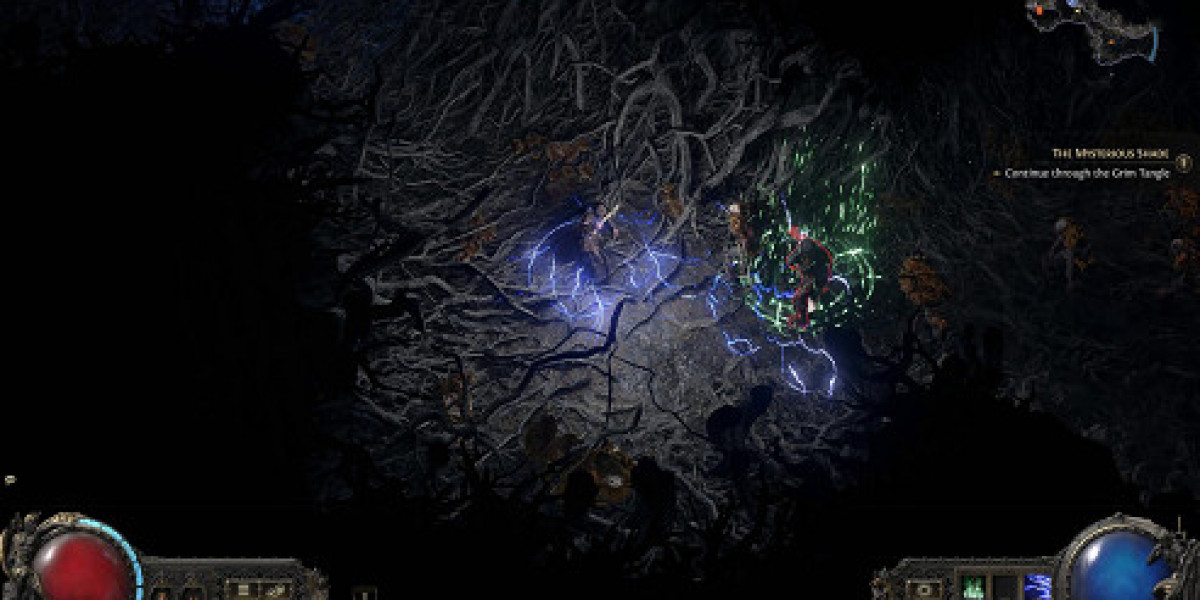

Omen of Light farming in Path of Exile 2 has become a popular way to build wealth, but it is not a case of dropping into any Abyss map and hoping for a lucky run. The method works because several small advantages are stacked together: dense encounters, strong rare monsters, valuable map modifiers, and a character that can clear without stopping every few seconds. You will also need enough POE 2 Currency to prepare maps and replace the occasional failed investment. Once the setup is ready, the routine feels much more controlled. You enter with a plan, follow the most rewarding paths, collect the items that matter, and move on before the map starts eating into your time.
Build Around Consistent Abyss Clears
This strategy suits an established endgame character rather than a fresh one. Abyss encounters can fill an area with enemies, and Delirium adds even more pressure while you are trying to keep moving. Raw damage helps, but it is not the only thing that matters. A good farming build needs dependable defences, quick movement, enough area coverage for packs, and a way to handle tougher rare monsters when they appear. Recovery is important too. If every encounter forces you to pause and refill resources, your income per hour will fall quickly.
Before spending heavily on tablets or Waystones, run a few test maps at a difficulty your character can finish comfortably. Pay attention to deaths, time spent on bosses, and how often dangerous modifiers slow you down. A slightly safer map that takes six minutes is usually better than a brutal map that takes ten minutes and sometimes ends in a failed run. The best setup is the one you can repeat when you are tired, not the one that looks impressive on paper.
Tablet Choices That Actually Matter
Tablets shape the whole farming loop, so avoid buying random pieces just because they are cheap. Look for modifiers that add rare Abyss monsters, increase encounter density, improve monster rarity, or raise the chance of reaching Abyssal Depths. These effects work well together because more encounters create more opportunities for valuable rewards, while stronger monsters improve the quality of the drops you see along the way. Four-mod tablets are often the preferred option when the cost makes sense, although a cheaper combination can still be worthwhile during early testing.
Prices change, and that should influence your setup. If premium Abyss tablets become expensive, compare their added return with a more modest arrangement that includes Delirium or another profitable mechanic. Do not judge a tablet by its listed price alone. Track what it adds to a full map, including the extra time required to clear the content. A tablet that costs more but saves several minutes through better density may be the better purchase.
Atlas, Waystones, and Map Decisions
Your Atlas passives should support the same goal instead of pulling in several unrelated directions. Prioritise Abyss nodes first, then add choices that improve rare monster presence, item rarity, map rewards, and Delirium value. The exact path depends on your existing Atlas, but the principle is simple: every point should help you find more worthwhile enemies or make their rewards better. Master options can provide useful additions as well, particularly when they add monsters without sending you on a long detour.
Waystones deserve the same level of care. Item rarity, monster rarity, additional modifiers, and reward scaling are all useful, but difficulty must stay within your build's limits. Corrupted Waystones can offer excellent returns, yet they also introduce combinations that may turn an easy map into a miserable one. Read every modifier before you enter. Skip combinations that undermine your main damage type, remove a key defence, or make rare monsters too dangerous. Losing an expensive Waystone and the time spent preparing it is rarely worth chasing a small increase in reward.
Run the Map Like a Business
Once inside, keep your route moving. Follow Abyss trails through dense areas and avoid spending too long clearing scattered groups that offer little value. Rare monsters deserve attention, but do not let one awkward pack consume half the map. Learn which encounters your build handles quickly and which ones should be approached from a safer angle. Positioning matters when several effects overlap, especially under Delirium. A death costs more than the lost experience; it also breaks your rhythm and reduces the number of maps you can complete in an hour.
Use a loot filter that makes important drops impossible to miss. Omens of Light, Divine Orbs, high-value crafting materials, and useful rare equipment should stand out clearly. At the same time, hide ordinary items that only create noise. Check your inventory between maps, not during every encounter. Keep a simple record of tablet costs, Waystone costs, valuable drops, and average clear time. After ten or twenty runs, the numbers will tell you whether the method is paying off. That information is more useful than judging one lucky map.
Final Thoughts
Omen of Light Abyss farming rewards preparation and repetition. Start with a character that clears safely, build an Atlas focused on Abyss and reward density, then test tablets before committing your entire budget. Use Delirium when the extra pressure is manageable, craft Waystones with a clear purpose, and leave modifiers that create more risk than value. The strongest results usually come from steady decisions rather than one spectacular drop. Reinvest part of each session into better maps and equipment, while keeping enough Path of Exile 2 Currency Orbs available for the next round of tablets and Waystones.